
The COAST Chair


 Dr Domenico Dentoni
Domenico Dentoni is full professor of Business, Resilience and Transformation at MBS School of Business since 2021. His main domain of expertise is organization, entrepreneurship and partnerships for climate adaptation and mitigation. On these topics, he conducts research, teaches, and works on publicly funded projects and academic consultancies.
Domenico is advancing systems mapping methods for training, research, strategy and policy purposes, which have been recently used by organizations such as ESADE, INSEAD, Wageningen University, the École Polytechnique de Paris and the EU Institute of Innovation for Sustainability.
Domenico’s main sector of expertise is food and agriculture, and more broadly the nexus between water, energy, food and land. In this sector and topics, he worked in industry-research partnerships across Europe, Sub-Saharan Africa, Australia and the United States. On these topics, Domenico acquired 3 million EUR in grants from national and international public organizations like USAID, CGIAR, the Dutch Research Council (NWO), the Australian Seafood CRC, and the European Commission’s Horizon Europe Program in 2013-2026. He has consulted for large organizations like Bayer, IKEA Foundation, Climate KIC, the UN Industrial Development Organization (UNIDO), and UN Economic Commission for Africa (UNECA).
Domenico authored over 90 scholarly publications mainly on themes of sustainable business and systems thinking. These are published in internationally renowned management journals such as Journal of Management, Journal of Business Venturing, Organization Studies, Journal of Business Ethics and Business & Society, as well as in several impactful interdisciplinary journals. His work was recently recognized by the non-profit organization “Food Tank: The Think Tank for Food”, which listed him as one of the top 25 global leaders who are “shaking current food systems”.
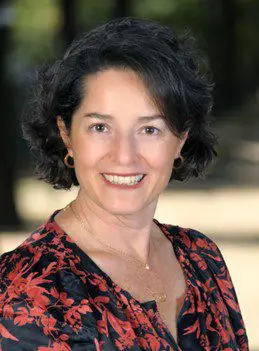 Dr Jacqueline Boysselle
Jacqueline Boysselle is a Mexican professor of Marketing at MBS where she has been actively contributing since 2008. Her primary area of specialization includes Corporate Social Responsibility (CSR) communication, brand value perception, consumer behavior, social marketing, and frugal innovation. Jacqueline is deeply committed to conducting research, teaching, and collaborating with organizations like the Institut du Marketing Social in France, Royal Canin, and others.
Before embarking on her academic journey, Jacqueline amassed valuable industry experience. She served as a Brand Manager at Pepsi Mexico, held the position of Marketing Director at Trapa Chocolates in Madrid, Spain, and worked as a Product Manager at Calvo also in Madrid. In addition, she contributed to Cancer Research UK where she implemented social marketing strategies for their communication department in London
Within her expansive portfolio of expertise, Jacqueline’s focus primarily centers on the food industry and, more broadly, on the perceptual dynamics of Alternative Food Networks (AFN), Fair Trade, and organic products among consumers. Jacqueline has authored numerous research articles and professional publications, predominantly exploring themes related to CSR communication, perceived value, frugal innovation, and social marketing. Her contributions can be found in esteemed journals like International Management, Food Quality and Preferences, and Management Sciences.
 Dr Matthias Staessens
Matthias Staessens joined MBS in 2022 as an Assistant Professor in Social Entrepreneurship. His academic mission centers on catalyzing a shift toward a more sustainable and resilient society. To this end, his research delves into the means by which organizations can strike an optimal balance among social, ecological, and economic objectives.
Matthias places a special emphasis on the role of decision-makers within organizations, including Chief Executive Officers (CEOs), board members, and top management teams. Specifically, his expertise lies in work integration, social enterprises, social start-ups, and cooperatives. In these sectors and on these topics, his research has been published in the Journal of Business Ethics, Academy of Management Perspective, and Strategic Change.
This academic commitment extends to his teaching. Across various levels (from bachelor to executive) and disciplines, Matthias guides both current and future managers on adopting sustainable and resilient strategies. He has developed teaching materials on topics such as social entrepreneurship, impact measurement, and sustainable innovation management.
Beyond academia, Matthias has actualized his mission in practical ways: he serves on the board of directors for a residential care center, authors industry reports for associations in the social economy, generates several press releases on social economy and creates roadmaps for reforming boards of directors, as well as on how to form nonprofit-for-profit collaborations.
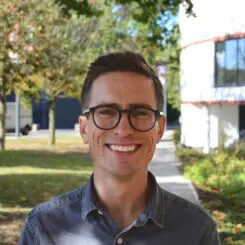 Dr Alec Waterworth
Dr Alec Waterworth is an Associate Professor in Project Management, having joined MBS in September 2022. His primary areas of interest include the unique nature of complex projects and complex project leadership, ‘voice behavior’ of project teams, academic entrepreneurship, and the ongoing clean energy transition (and the role of project management therein).
His responsibilities at MBS include Head of the Specialization in Project Management for the PGE, and Head of the new MSc Program in Complex Project Management.
Alec previously worked as a lecturer and Director of Executive Educations Programs at the Alliance Manchester Business School, delivering teaching to organizations such as BAE Systems, BP, the UK Department for International Trade, and the NHS. Prior to this he taught themes of sustainable development at the University of Warwick. His teaching today is focused on addressing complex organizational challenges across a wide range of sectors and contexts. This is informed considerably by his time in industry, prior to entering academia, where he worked in the energy sector as a Quality Assurance Engineer on several multi-billion US$ projects.
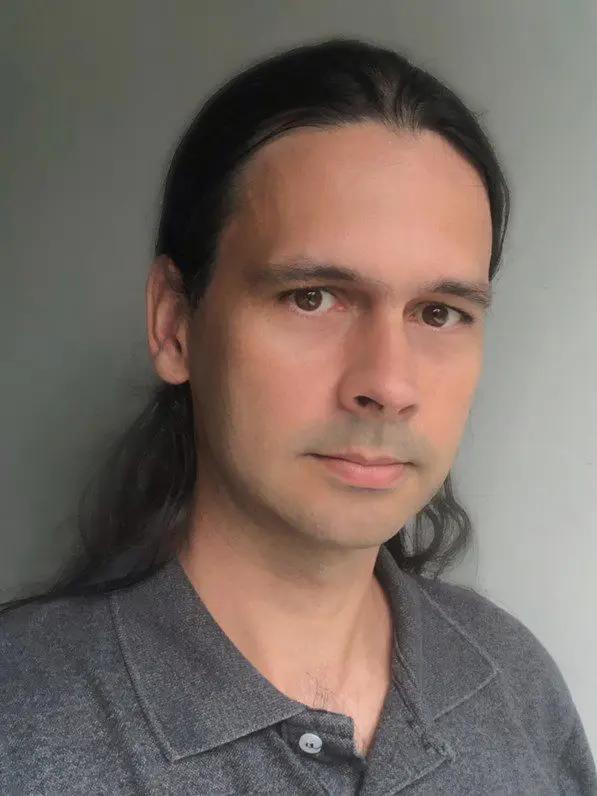 Dr Daniel S Lacerda
Daniel is an Associate Professor and the Head of the People and Organizations Department at MBS. He is Brazilian and obtained his PhD in Organization Studies from Lancaster University (UK).
Daniel’s research focuses on issues of poverty and inequality within and beyond organizations. Most of his empirical studies have concentrated on marginalized areas such as favelas, using interdisciplinary concepts such as discourse and territory to investigate development through diverse economies. In addition, Daniel researches the impact of AI on management research and education.
Prior to joining academia, he spent seven years working as a consultant for large corporations, managing projects such as the implementation of IT Governance Systems and Global procurement models. This experience also informs his teaching, particularly in the Critical Management and Alternative Organizations course, which challenges the normative principles of business management and promotes a transformative approach to organizational practice.
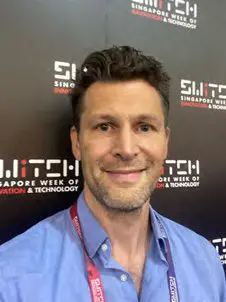 Dr Jan Weiss
Jan is Associate Professor of Strategy and Entrepreneurship at MBS. He holds a PhD in Applied Microeconomics from Jönköping International Business School, Sweden, and an MSc in Business Administration from the University of Mannheim, Germany.
Jan’s research broadly examines management and organizational phenomena in the context of sustainable development. He has a particular interest in multilevel research, examining how individual characteristics and behaviors, organizational structures and practices, and broader cultural, institutional, and regulatory environments independently and jointly shape sustainability-related behavior and organizational outcomes. A recurring theme in his research is the role of sustainability-related values and norms across levels of analysis, including how societal and cultural values and norms influence individuals and organizations, and how individual-level values and orientations translate into organizational sustainability outcomes.
His current research includes work on the microfoundations of corporate sustainability, including the roles of executive personality, values, and strategic orientations; sustainability in pollution-intensive industries and environmental regulation; sustainable entrepreneurship and consumption; and the development of cultural intelligence and sustainable global leadership. He also investigates innovation, digitalization, productivity, and sustainable development in emerging economies.
Complementing this multilevel perspective, Jan has a particular interest in systems thinking and System Dynamics, which he has applied to investigate complex socioeconomic development processes and interactions between economic, social, and environmental systems. More broadly, he is interested in how systems perspectives can help understand interdependencies, feedback processes, and the longer-term consequences of organizational and societal decisions.
In his teaching, Jan integrates sustainability, entrepreneurship, and systems perspectives across different programs at MBS. Among others, he is responsible for the course Structured Research Designs in Management Research for Sustainability in MBS’ digital DBA program as well as for various sustainable entrepreneurship and business model courses in MBS’ PGE, MSc, and Bachelor programs.
Jan’s profile is complemented by international professional experience beyond academia, including assignments related to sustainable development with UN-ESCAP in Bangkok, Thailand; LekaGape, a non-profit organization in South Africa; and Swedfund International in Stockholm, Sweden. These experiences have contributed to his interest in how organizations, entrepreneurship, innovation, and investment can contribute to sustainable and inclusive development.
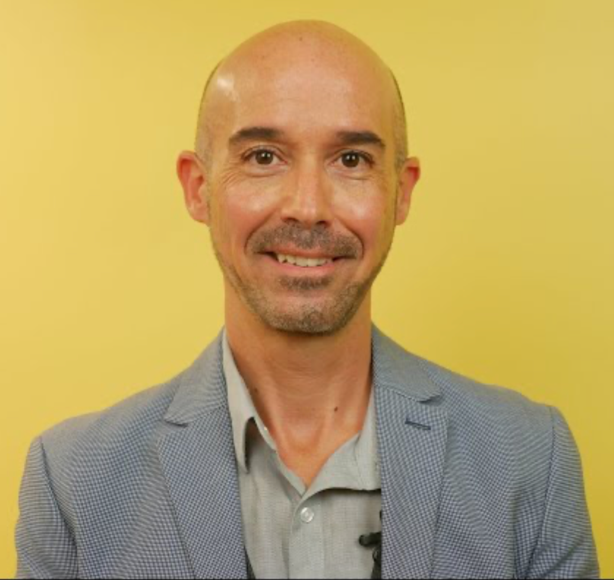 Dr Alejandra Allera
Dr. Alejandro Allera is a seasoned professional with over 25 years of experience in International Business and Supply Chain, having worked in more than 30 countries to help Small and Medium Enterprises expand globally. His career spans the private sector, government, and academia (the so-called triple helix of development), with deep expertise in business strategy and internationalization. Throughout his career, Alejandro has held key roles at prestigious institutions such as TEC de Monterrey, Quaker Oats, the American Chamber of Commerce, and the Mexican federal and state government, among others.
Since 2017, based at Montpellier Business School (MBS), Alejandro teaches International Business, International Economics, Supply Chain Management, and Wine Management. He was the Director of the Undergraduate International Business Program, and now he is the director of the MSc in Supply Chain and Purchasing. He holds two masters, one in Business Economics and another in Public Policy. His doctoral degree is in Supply Chain Sustainability and Collaboration.
 Dr Senda Fattoum-Belkhouja
Senda Fattoum-Belkhouja joined MBS in 2020, where she is Assistant Professor of Strategic Management and Head of the MSc in International Business. Her research spans strategic management, innovation and international business, with a growing focus on healthcare organizations, knowledge and meaning-making in moments of crisis and change.
Trained first as a pharmacist before turning to management research, Senda brings a dual lens to questions of sustainability and business ethics in regulated industries. Her work has appeared in journals such as Organization, Research Policy and Human Relations, and her published teaching cases bring these questions into the classroom — from the business of ignorance around neonicotinoids to the ethical tensions between branded and generic drug pricing and patient access to medication.
Her path into academia ran through hospital pharmacies and research laboratories in Marseille and Tunisia, and later through doctoral research conducted from inside BioMérieux’s innovation and R&D departments — a grounding in practice that shapes her teaching across MBS’s strategy, innovation and international business programs.
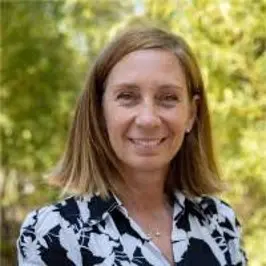 Dr Catherine L’Ecuyer
Associate Professor and Maître de Conférences
Catherine L’Ecuyer is an Associate Professor at MBS whose work focuses on digital platform ecosystems, stakeholder management, socio-political legitimacy, sustainability. Her research investigates how digital platforms operating in the sharing economy, build and maintain legitimacy among multiple stakeholders in complex and often contested institutional environments.
Catherine work focuses on stakeholder mapping, legitimacy dynamics, governance mechanisms, alternative platform models, decarbonization of the sharing economy. She teaches digital transformation, digital platforms in Sharing Economy, examining business models, network effects, platform governance, and government relations; and emotional intelligence in cross-cultural environments, where students develop leadership capabilities through reflective practices and design thinking approaches.
Beyond her academic activities, Catherine serves as a member of the Steering Committee of the PRME (Principles for Responsible Management Education) Chapter France-Benelux, a regional network supported by the United Nations Global Compact. The Chapter’s mission is to promote responsible management education and foster collective action toward sustainable development.
 Ms Jeannie Rodriguez
Jeannie Rodriguez works at the intersection of academic knowledge, professional practice and societal impact. Originally from the Montpellier area, she brings a territorial perspective to her work and collaborations.
Trained as a chemical engineer, she spent more than fifteen years in industry and the construction sector as a Key Account Manager and Project Manager, leading complex projects and collaborating with a wide range of European stakeholders. This experience sparked a growing interest in how individuals and organizations learn, adapt and transform. She subsequently transitioned into French adult education, first working as a trainer before completing a Master’s degree in Educational Sciences and Research. This enabled her to develop a deeper understanding of social science research methodologies and their contribution to individual, organizational and societal change. She later became Director of an Adult Learning Centre before joining Montpellier Business School.
Drawing on her international experience as former Pedagogical Head of the DBA programs and her current role in Executive Education at MBS, she is particularly interested in experiential learning, Learning by Doing approaches, stakeholder engagement and the design of learning ecosystems that help individuals and organizations navigate complexity and change.
She is guided by a simple conviction: knowledge creates value when it is shared, experienced and transformed into action. Within COAST, she contributes to building bridges between research, education and practice, helping to make innovative ideas more accessible, actionable and impactful for organizations and communities, while fostering stronger connections between the School, its stakeholders and the local territory.
 Mr Polyvios Kaisaris
Polyvios Kaisaris joined MBS as Audiovisual and Multimedia Coordinator after several years of experience in audiovisual technologies, multimedia systems and digital learning environments. His primary areas of expertise include audiovisual production, multimedia technologies, hybrid learning solutions, and the deployment of digital tools that support communication, teaching and events.
With an interdisciplinary background combining computer science, cinema, audiovisual production and electronics, Polyvios has developed a unique profile at the crossroads of technology, media and education. A significant part of his academic and professional journey took place in Los Angeles, where he studied and worked within the audiovisual industry. This international experience enabled him to gain first-hand knowledge of media production workflows, emerging technologies and multicultural collaboration.
At MBS, Polyvios is responsible for the design, deployment and continuous improvement of audiovisual and multimedia solutions that enhance teaching, learning and engagement experiences across the institution. His work contributes to creating innovative, reliable and accessible environments that support both face-to-face and hybrid interactions.
Within the COAST Chair, Polyvios brings expertise in digital communication, multimedia storytelling and the dissemination of knowledge through innovative audiovisual formats. He contributes to strengthening the Chair’s societal outreach by helping transform research and educational initiatives into engaging and accessible content for a broad range of stakeholders.
Guided by a strong belief in collaboration and collective achievement, he is committed to using technology and creativity to connect people, ideas and communities in support of positive societal impact.

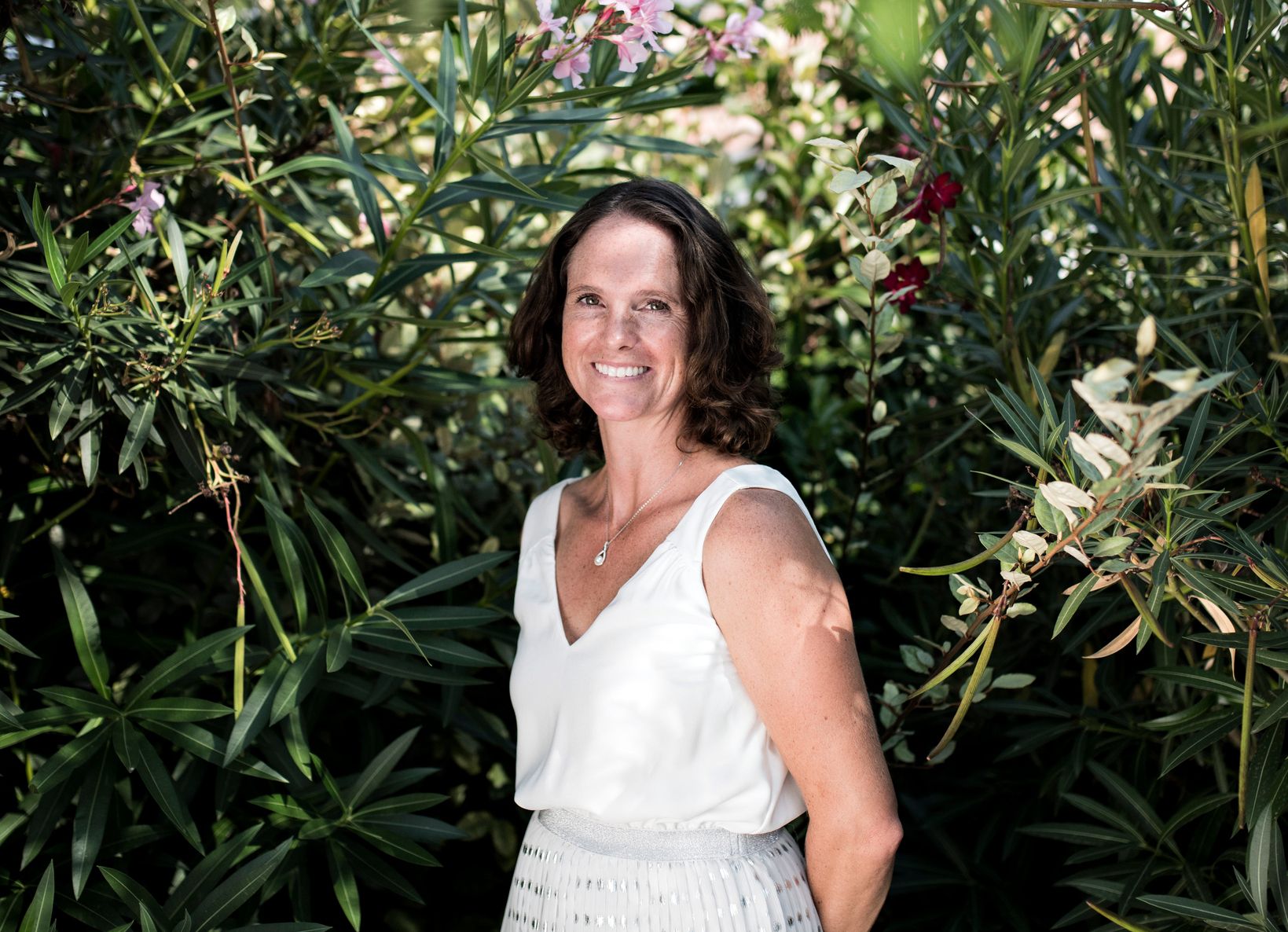
After bravely enduring a long period of treatment, Helen left us in February 2024. Her ideas and energy will continue to reverberate through our work and everyone she inspired.
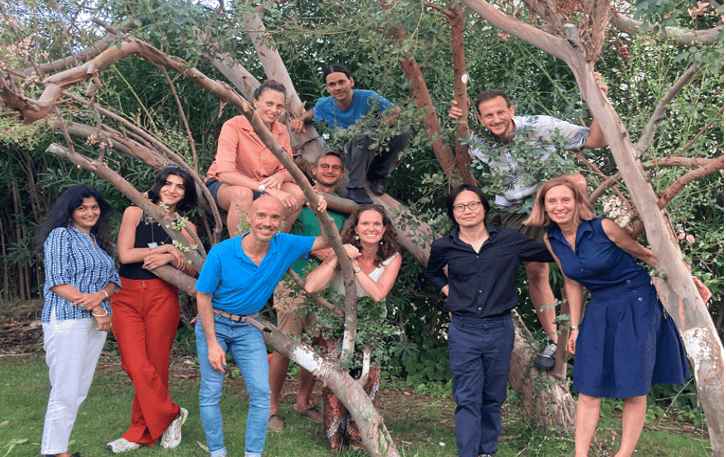
Helen, we think of you and we strive to walk in the direction you indicated. The COAST Chair is yours as much as ours. We will forever enjoy the memories together at the shade of pines in our old campus, and of eucalypti in our garrigue.
You can fund the COAST Chair through philanthropic sponsoring (mécénat in France), academic consulting, and the organization of workshops tailored to your organization’s needs and style.
Building upon our core competencies in systems, design and critical thinking, and our deep sectoral, technical and managerial experience across the sectors of agriculture, food, water, energy, transports and health, we will be happy to organize the following services for you:
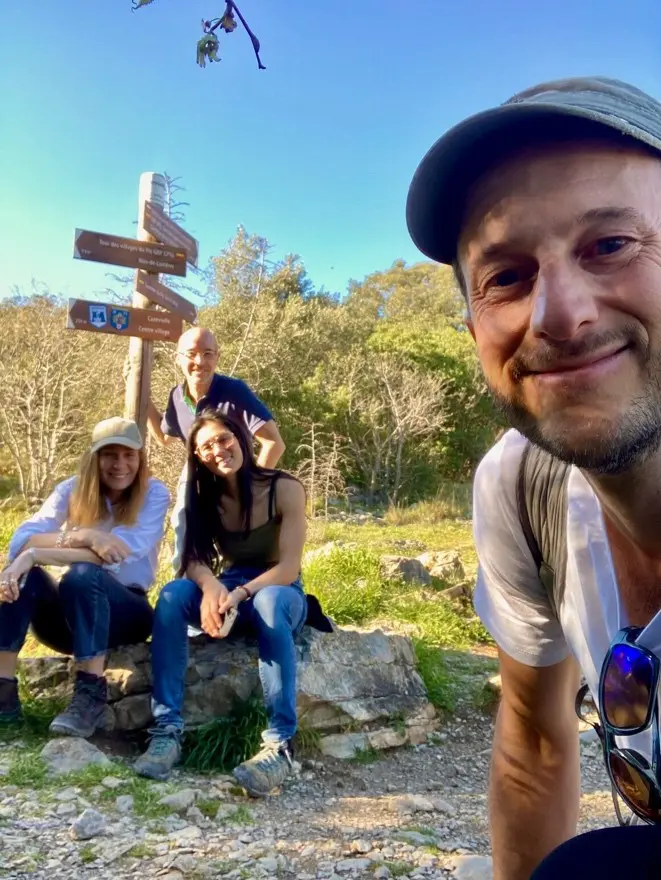
- Organizing “walk and talks”: our favorite way of tackling problems in depth while walking throughout the “ground floors” of your organization, such as your technical facilities and operational sites, or in the landscapes that your organization is seeking to regenerate.
- Strategic dialogue panels: we organize vibrant panel discussions, either in conferences or ad hoc in your or our organization facilities, to bring together multiple stakeholders to discuss a common social-ecological problem that we need to tackle together.
- Academic consulting services: we develop short, visual, human-crafted reports that analyze and tackle organizational and societal problems that you are confronted with. If needed, we present and deliver these reports in interactive ways within and beyond your organizational boundaries.
 Crafting science-based messages: we discuss, convey and amplify key messages that represent organizations’ strategic viewpoints after a scrutiny of the scientific data and of the organizational and societal context.
Delivering power talks: for a reasonable fee, we dedicate 45 minutes or 1 hour of our undivided time, attention, energy and care to discuss important organizational or societal problem with you.
To discuss the details on how to fund and engage with us, contact us here below.