MBS School of business

Inclusive management & societal engagement (MIND) Chair

diversité

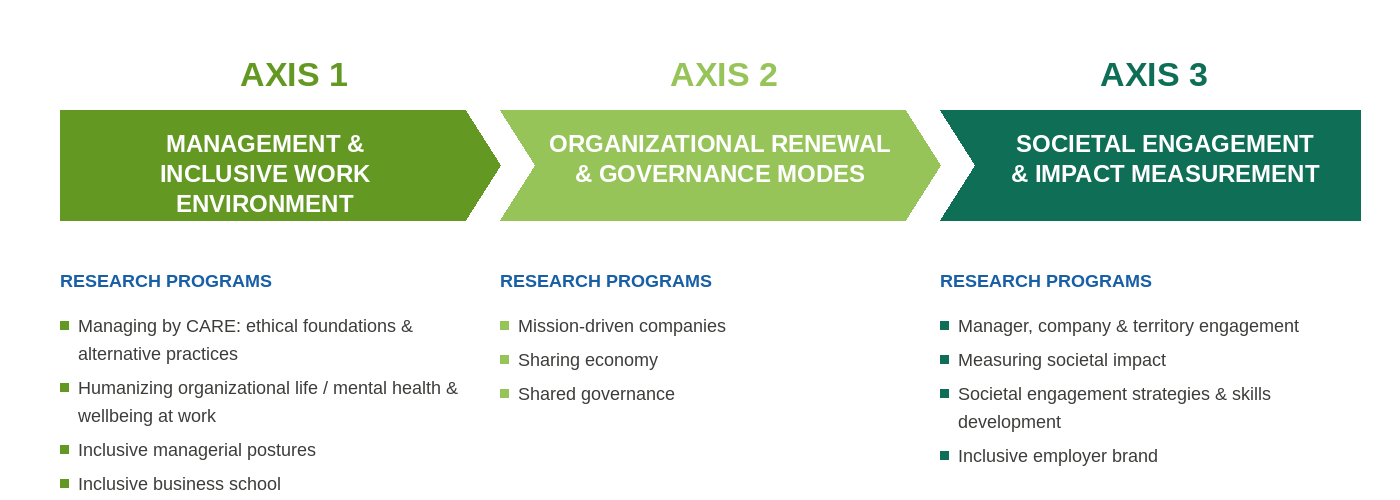
Objectives of the MIND Chair

Building Inclusive Management Alongside Organizations

The MIND Chair aims to instill the spirit of responsible and civic transformation at both the individual and organizational levels.

It promotes inclusive stakeholder management as a driver of societal engagement, enhancing people’s ability to decide and act while encouraging organizations to rethink their strategies and ways of operating through the promotion of diversity and the sharing of common goods.

Its ambition is to contribute to the creation of living, inclusive and committed organizations.

The positioning of the MIND Chair is firmly rooted in the practices of organizations ranging from SMEs to large corporations, particularly in the fields of CSR policies, Diversity & Inclusion, societal transition, purpose and meaning, resilience, and more.

It also explores alternative organizational models such as networks, cooperatives and shared governance.

Its vocation is to co-create useful and impactful research with corporate, institutional and non-profit partners while developing educational pathways designed to train responsible leaders and managers.

The Chair adopts a multidisciplinary approach and actively contributes to discussions within its region on inclusive management, corporate purpose, mission-driven organizations and societal commitment.

Missions & Areas of Intervention of the MIND Chair

INSPIRE: Develop innovative educational pathways focused on inclusive management and societal engagement by involving business practitioners and civil society stakeholders. Share pioneering initiatives and best practices.

TRANSFORM: Design and implement action-research and intervention-research programs that are directly relevant to those involved in societal transformation. Organize workshops, foster dialogue and introduce new methodological approaches.

MEASURE: Develop innovative tools to assess social impact and inclusion. Support organizations in implementing impact measurement approaches.

In line with these ambitions, the MIND Chair supports organizations and individuals who are agents of change and engagement in deploying and managing diversity and inclusion policies, developing CSR strategies and new organizational models, transforming managerial practices, defining the societal purpose of their activities and measuring their social impact.

Subscribe directly to the MIND Chair newsletter, BETTER TOGETHER, and stay informed about our latest news and initiatives: chaire.mind@mbs-education.com.

Activities of the MIND Chair

Research
  • Research projects
  • Publication of scientific articles and research dissemination articles
  • Participation in conferences
  • Supervision of PhD candidates
  • Supervision of Bachelor’s and Master’s theses

Teaching

  • Initial degree programmes
  • Executive and continuing education programmes for professionals
  • Specialisation tracks

Courses delivered in MBS degree programmes:

  • Strategic Diversity Management (Grande École Programme, Master Year 2);
  • Managing Differently (Bachelor Programme, Year 3);
  • Diversity & Inclusive Leadership and Quality of Work Life & Working Conditions Business Labs, within the Talent Management & Development specialisation (Grande École Programme, Master Year 2);
  • ACT FOR CHANGE Excellence Track: Training social and environmental transition ambassadors at MBS (cross-programme, extracurricular).

Continuing Education Programmes:

  • Professional focus module: Managing CSR, Diversity and Inclusion, Executive MBA Programme.

Professional Training Modules:

  • Managing Diversity & Inclusion
  • Leading Change Through an Inclusive Approach
  • CSR Ambassador: Defining and Implementing CSR Commitments, Enhancing Their Value and Communicating Them
  • Managing with Purpose and Values
  • Any other customised module based on the MIND Chair’s areas of expertise
Events

  • Workshops
  • Masterclasses
  • Film-debate sessions

The MIND Chair organises events with its ecosystem of stakeholders, bringing together academics and practitioners around topical issues. These events often lead to the publication of white papers that confront scientific knowledge with business practices.

These events are designed to be immersive and typically combine keynote presentations, panel discussions, debates, best-practice sharing, and workshops.

Here are some notable examples of events organised by the MIND Chair:

  • Film-debate session: Transitions in Short Film
  • Research seminar: Being an Agent of Change: Exploring How People Drive Change to Support Corporate Sustainability Transitions
  • Immersive conference and workshops: Bias Awareness: The Key to Unlocking Potential at Work
  • Workshop as part of the Responsible and Inclusive Business Week: Adopting Inclusive Behaviours
  • Masterclass: Measuring Diversity & Inclusion in Organisations: Challenges and Best Practices

ACTIVITY REPORT

MIND CHAIR SPONSORS

logo sage

Sage, a global leader in accounting, payroll, and business management solutions, places CSR at the heart of its strategy through its “The Multiplier Effect” programme, built around three pillars: Protect the Planet, Tech for Good, and Human by Design.

Its commitments are reflected in concrete actions both internally, through reducing its carbon footprint and promoting responsible, inclusive practices that support diversity, and externally, through supporting local communities and assisting client organisations in their transition journeys.

For example, Sage offers a dedicated CSRD reporting solution that simplifies ESG data collection and transforms regulatory requirements into strategic opportunities.

This shared vision with the MIND Chair has led to a strong partnership, embodied through:

  • Mentoring students in the Act For Change programme to help train tomorrow’s leaders.
  • The CSRD research programme, which aims to demonstrate how organisations can turn regulatory constraints into opportunities for growth and transformation by embedding ecological and social transition at the core of their strategy and engaging all stakeholders.

Nicollin Group is a major provider of environmental, cleaning, and security services. It supports local authorities and businesses in waste management, industrial cleaning, and security services, with a strong focus on the circular economy and sustainable innovation. CSR is at the heart of its strategy, particularly through:

  • Waste recovery and valorisation, and the development of innovative solutions for the circular economy.
  • Reducing emissions and optimising collection operations to limit environmental impact.
  • Promoting diversity, inclusion, and local employment through partnerships with social integration organisations.

This ambition led to a historic partnership with the MIND Chair, initiated through a consulting mission that enabled the group to assess the maturity level of its CSR approach in order to better structure and manage it.

Today, the collaboration continues through:

  • Student projects conducted within the Diversity & Inclusive Leadership track of the MIND Chair.
  • The CSRD research programme, which seeks to demonstrate how organisations can transform regulatory constraints into opportunities for development and change, by integrating ecological and social transition into their core strategy and mobilising all stakeholders.

PARTNER ECOSYSTEM

The MIND Chair operates within an ecosystem of partners with whom it develops its academic, educational, and event-related projects.

CHAIR HOLDER

Dr. Mélanie JAECK

Associate Professor at MBS

Academic Background:

PhD in Economics, specialising in Environmental Economics.

Research Areas:

Specialist in Corporate Social Responsibility (CSR), with a focus on inclusive management and diversity, as well as legitimacy issues and the tensions/paradoxes associated with strategic engagement in these areas. Her work also explores the renewal of governance models, alternative organisations, and alternative food systems.

Teaching:

  • Head of the Diversity & Inclusive Leadership Track for second-year Master’s students in Human Resource Management at MBS (PGE).
  • Course leader for Responsible Management (BIBA2), Sustainable Distribution of Alternative Food Networks (PGE2), and Soft Skills courses Understanding Stereotypes and Inclusive Behaviours (PGE1 & PGE2).
  • Member of the MBS Diversity & Inclusion Lab, contributing knowledge sharing and expertise among stakeholders involved in MBS diversity and inclusion policies, and supporting the Diversity & Inclusion Observatory.
  • Professional training and consulting activities focused on CSR strategies, responsible management, and diversity and inclusion policies and initiatives.

Notable Projects:

  • Contributed to the co-development of the Mixity Campus® tool.

CHAIR MEMBERS

Faculty Researchers

Dr. Maryline MEYER

Associate Professor at MBS

Academic Background:

PhD in Management Sciences. Former Assistant Professor in Human Resource Management at IESSCA and holder of the Social and Solidarity Economy Chair.

Research Areas:

Responsible Human Resource Management, employee motivation and commitment in the Social and Solidarity Economy, Corporate Social Responsibility (CSR) strategies, diversity and inclusion policies, and inclusive management.

Teaching:

  • Course leader for Strategic Diversity Management (PGE3), Governance and CSR Management (Executive MBA CSR Certificate), Human Resource Management and Diversity Management (PGE2), and Soft Skills courses Understanding Stereotypes and Inclusive Behaviours (PGE1 & PGE2).
  • Head of the Responsible HR & Leadership specialisation at MBS.
  • Member of the MBS Diversity & Inclusion Lab, contributing expertise and knowledge-sharing among stakeholders involved in MBS diversity and inclusion policies.
  • Professional training and consulting activities focused on responsible HR management, CSR strategies, and diversity and inclusion policies.

Maryline Bourdil-Resch

Faculty researcher in Management Sciences at MBS School of Business and Assistant Professor in the People & Organizations Department. She is also associated with the Montpellier Research in Management (MRM) Human Resources research team.

Her research focuses primarily on meaningful work, employee well-being, and motivation in social and solidarity economy organisations, particularly worker cooperatives (SCOPs). She has published several articles on these topics, notably exploring the ambivalent effects of managerial innovations on workplace well-being.

Alongside her teaching and research activities, she is actively involved in academic networks such as the Academy of Entrepreneurship and Innovation (AEI) and the International Association for Research in SMEs (AIREPME).

She also contributes to professional publications on topics such as business transfers within worker cooperatives and family entrepreneurship.

Her research and commitments reflect a strong interest in organisational dynamics that foster meaningful work and stakeholder well-being across varied contexts, from cooperatives to healthcare organisations.

Melinda CHEHIMI

Professor at MBS School of Business. Her research activities focus on management control systems and overall organisational performance.

She is particularly interested in management tools that incorporate CSR considerations, as well as management control systems for mission-driven organisations.

Anne-Valérie CRESPO

CSR and HR Delegate for Occitanie since 2016, responsible for coordinating HR and CSR topics across 21 branches and subsidiaries, covering 13 departments and 15,000 employees.

She is actively involved in numerous CSR and community initiatives, including:

  • President of the National Observatory of Partnerships since December 2025 and Board Member of applied research laboratory Le RAMEAU since October 2025.
  • Co-Leader of the National Public Interest Group “Companies Committed to Innovation for Society” since January 2024.
  • Treasurer of FACE Occitanie (Foundation for Action Against Exclusion), actively involved since 2008.
  • Board Member of MLJ3M, the Local Mission for Young People of the Montpellier Metropolitan Area.
  • President of the MBS School of Business Equal Opportunity Endowment Fund from 2018 to 2025.

Catherine L’Ecuyer

Research Interests:

  • Sharing Economy and Digital Culture (Grande École Programme)
  • Reputation and CSR (BIBA Programme)

Catherine is an Associate Professor at MBS School of Business and a fifth-year PhD candidate in the Strategic Management Department of the University of Montpellier.

In 2018, she shifted towards research and began her doctoral work. Her research focuses on legitimacy-building processes within digital platforms operating in the sharing economy.

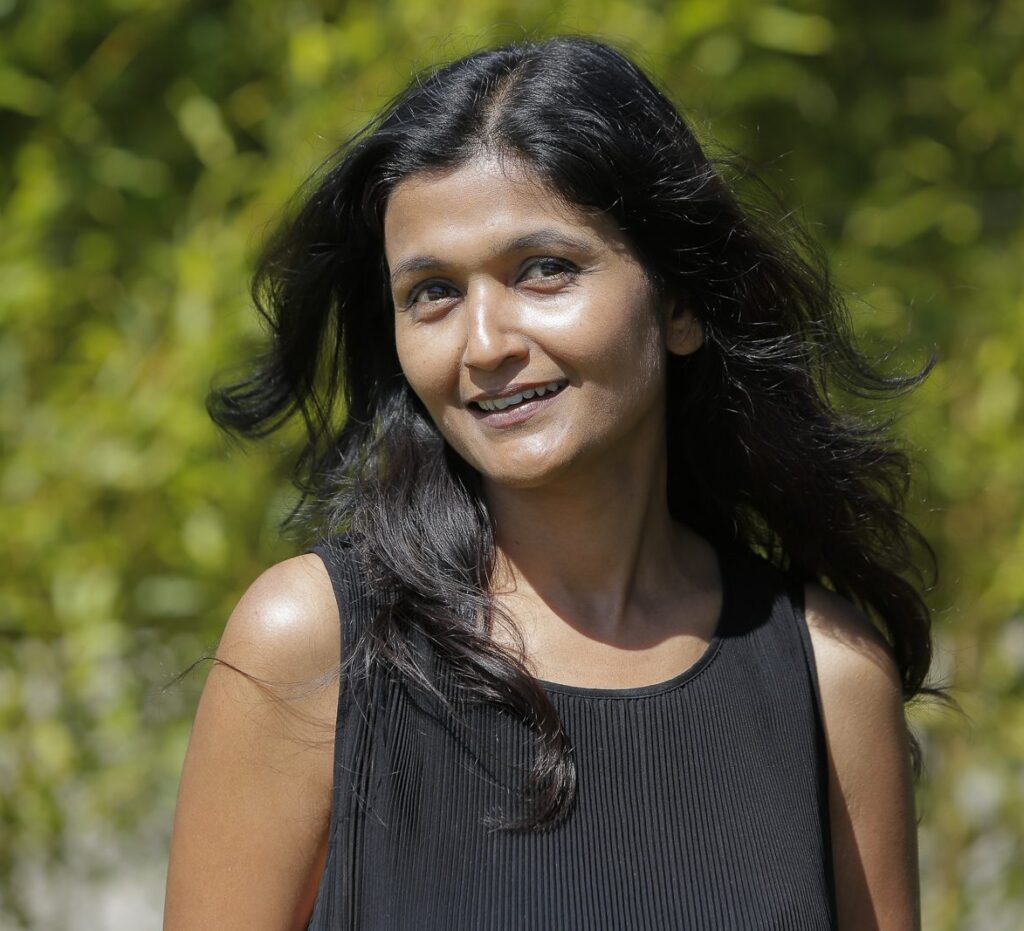
Julien Granata

Julien GRANATA

Academic Background:

PhD in Management Sciences. Certified Executive Coach and Leadership Supervisor.

Research Areas:

Liberating management, care management, neurodiversity, and organisational and managerial innovation in SMEs.

Teaching and Executive Education:

  • Head of the Diversity Track within the HR Specialisation of the Grande École Programme.
  • Course leader in Team Management, Emotional Intelligence, and the Executive MBA Professional Project.
  • Professional training and keynote activities focused on managing younger generations, team management, communication, and management in uncertain environments.
  • Individual and group executive supervision and coaching.

Cédrine Joly

Research Interests:

Strategic Marketing, CSR, and Diversity Policies.

Magalie MARAIS

Research Interests:

Associate Professor at MBS School of Business. Her research focuses on Corporate Social Responsibility (CSR), alternative organisations, and inclusion. Her work seeks to place meaning and societal value at the heart of business and organisational strategy.

At MBS School of Business, she coordinates the ACT FOR CHANGE Excellence Programme and is a founding member of the MIND Chair.

Jinia Mukerjee

Jinia MUKURJEE

Research Interests:

Physical and mental health and entrepreneur well-being; the role of psychological markers in the entrepreneurial process; play in organisations; sustainable innovation.

PHD CANDIDATES

Julie BALAGUE

Paediatric nurse, childcare centre director, and PhD candidate in Management Sciences.

As a member of the MIND Chair research programme, her work focuses on Care Management and its role in organisational transformation, with particular attention to health, ethics, and societal impact.

At the intersection of professional practice and academic research, she contributes to the development of responsible management models that promote human, collective, and societal balance.

Annabelle HELWANI

Educational programme engineer and doctoral research assistant at MBS School of Business.

Her current research focuses on organisational purpose, its appropriation, and meaningful work, with the aim of studying their strategic and managerial impacts. She is jointly supervised by Anne Loubès, Professor of Management Sciences at the University of Montpellier and IAE Montpellier, and Magalie Marais, Associate Professor at MBS School of Business.

Through her doctoral activities, second-year Master’s teaching contributions on diversity and human resources, and the creation of research podcasts and events, she aims to contribute to a more human, inclusive, and responsible managerial transformation that engages both practitioners and researchers.

WHITE PAPERS

ACADEMIC ARTICLES

Chehimi, M. (2026). Adopting the sustainability balanced scorecard in small and medium-sized enterprises: Strategic integration of environmental management or symbolic compliance?. Journal of Environmental Management, 398, 128421.  

Mukerjee, J., Thurik, R., Torrès, O., & van der Zwan, P. (2026). Entrepreneurial play as a resource for well-being among entrepreneurs. International Journal of Entrepreneurial Behavior & Research, 1-32. 

Bernuzzi, C., Mukerjee, J., Setti, I., O’Shea, D., & Sommovigo, V. (2025). Mindfulness, Prior Experience, and Self-efficacy in Managing Critical Incidents: A Mixed-Method Study Among Italian Air Traffic Controllers. Mindfulness, 1-22. 

Loose, F., Fabre, C., & Bourdil-Resch, M. (2025). Management innovations: A double-edged sword for workplace well-being in worker cooperatives? An investigation among employees and general managers. Management international, 29(1), 16-28. 

Mukerjee, J., Thurik, R., & Verheul, I. (2025). Temporal Focus and Entrepreneurial Orientation of Solo Self-Employed Workers. International Review of Entrepreneurship, 23(1), 59-88. 

Jaeck, M., Kessari, M., Marais, M., & Meyer, M. (2025). L’organisation alternative à l’épreuve de l’inclusion : Le cas de la création d’une Société Coopérative d’Intérêt Collectif (SCIC) d’accompagnement de porteurs de projets à impact sociétal. Revue de l’organisation responsable, 20(1), 77-97. 

Crespo-Febvay, A. V., Jaeck, M., & Meyer, M. (2025). La confiance au cœur des relations managers/organisation comme levier d’innovation responsable : une illustration à travers 4 RTO. Innovations, 77(2), 31-59. 

Chehimi, M., & Naro, G. (2024). Balanced Scorecards and sustainability Balanced Scorecards for corporate social responsibility strategic alignment: A systematic literature review. Journal of Environmental Management, 367, 122000. 

Cappelletti, L., & Chehimi, M. (2024). La standardisation de la RSE, une voie nouvelle de dynamisation des politiques sociales de l’Union européenne. Allemagne d’aujourd’hui, 249(3), 91-106. 

Chehimi, M., & Naro, G. (2024). L’alignement stratégique de la RSE: la conception d’un Sustainability Balanced Scorecard pour une société à mission. ACCRA, 20(2), 37-62. 

Jaeck, M., Marais, M., Joly, C., & Preuss, L. (2024). Navigating the moral-economic paradox of diversity management: Plurality of stakeholder perceptions and coping strategies. Group & Organization Management, 49(6), 1495-1535. 

Jaeck, M., & Meyer, M. (2024). Exploration de la construction d’un outil de pilotage. Diversité et Inclusion pour les établissements d’enseignement supérieur. Management & Sciences Sociales, 37(2), 54-69. 

Baileche, L., Marais, M., & Palpacuer, F. (2024). Tensions between local embeddedness and scaling up: Insights from grassroots sustainability initiatives in the renewable energy transition. Organization & Environment, 37(3), 440-465. 

Thurik, R., Benzari, A., Fisch, C., Mukerjee, J., & Torrès, O. (2024). Techno-overload and well-being of French small business owners: identifying the flipside of digital technologies. Entrepreneurship & Regional Development, 36(1-2), 136-161. 

Chehimi, M., & Géraudel, M. (2023). Barriers to the implementation of corporate social responsibility in a network of French retirement homes. Journal of the International Council for Small Business, 4(4), 330-336. 

Lecuyer, C., Marais, M., & Gurău, C. (2023). Maintaining legitimacy in times of crisis for sharing economy platforms: Airbnb’s relational strategies during COVID-19 and impacts on sustainability. Journal of Cleaner Production, 430, 139670. 

Mukerjee, J., Thurik, R., Torrès, O., & Wismans, A. (2023). Measuring organizational play in small businesses. Management Review Quarterly, 1-34. 

Jaeck, M., Marais, M., Meyer, M., & Joly, C. (2023). A proposed framework for inclusive business schools. Futures, 148, 103122.   

Mukerjee, J., et al. 2023. Measuring organizational play in small businesses. Management Review Quarterly. 1-34  

Thurik, R., Benzari, A., Fisch, C., Mukerjee, J., & Torrès, O. (2023). Techno-overload and well-being of French small business owners: identifying the flipside of digital technologies. Entrepreneurship & Regional Development, 1-26.  

Joly, C., Kessari, M., Marais, M., & Meyer, M. (2022). Collective dynamics of micro-resistance through CSR by academic activists: Collective autoethnography in a French business school. Management international, 26(5), 97-117. 

Wismans, A., van der Zwan, P., Wennberg, K., Franken, I., Mukerjee, J., Baptista, R., … & Thurik, R. (2022). Face mask use during the COVID-19 pandemic: how risk perception, experience with COVID-19, and attitude towards government interact with country-wide policy stringency. BMC Public Health, 22(1), 1622. 

Mukerjee, J., & Metiu, A. (2022). Play and psychological safety: An ethnography of innovative work. Journal of product innovation management, 39(3), 394-418. 

Torrès, O., Benzari, A., Fisch, C., Mukerjee, J., Swalhi, A., & Thurik, R. (2022). Risk of burnout in French entrepreneurs during the COVID-19 crisis. Small Business Economics, 58(2), 717-739. 

Mukerjee, J., Montani, F., & Vandenberghe, C. (2021). A dual model of coping with and commitment to organizational change: the role of appraisals and resources. Journal of Organizational Change Management, 34(5), 1144-1161. 

Kessari, M., Marais, M., Meyer, M., Palpacuer, F., Temri, L., & Walser, M. (2021). Les entreprises: vers de nouveaux modèles?. écologie l’alimentation, 265. 

Mukerjee, J., Montani, F., & Vandenberghe, C. (2021). A dual model of coping with and commitment to organizational change: the role of appraisals and resources. Journal of Organizational Change Management, 34(5), 1144-1161. 

Torrès, O., Fisch, C., Mukerjee, J., Lasch, F., & Thurik, R. (2021). Health Perception of French SME Owners During the 2020 COVID-19 Pandemic. International Review of Entrepreneurship, 19(2). 

Metiu, A., & Mukerjee, J. (2021). Using anthropological methods to study play in work settings. In Organizational Gamification (pp. 145-165). Routledge. 

Magnani S. & Marais M. 2021. Les monnaies locales complémentaires en France : des organisations hybrides en tension(s). Management International 

Justy, T., Granata, J., Munzel, A., & Lescop, D. (2021). Impact of data analytics on SMEs marketing performance: an exploratory study in regional wine SMEs (No. hal-03609933). 

Granata, J., Gundolf, K., & Marquès, P. (2021). Gérer les tensions paradoxales dans un contexte coopétitif: la coopétition horizontale multi-entreprises. Revue de l’Entrepreneuriat/Review of Entrepreneurship, 20(2), 113-137. 

Boysselle J., Granata J., Pourreau C., Hoang V., Cozarenco A., Delis M., Hollebeek L., Dumazer C., Meyer M., Marais M. & Etchanchu H. 2020. Conséquence de la crise du COVID. Comment gérer le changement avec efficacité et bienveillance. Livre Blanc, Montpellier Business School. Publishing Education.   

Jaouen A., Jaeck M., Joly C. & Kessari M. 2020. Les magasins de producteurs : vers un renouveau de l’action collective des PME agricoles. Revue Internationale PME, 33(3/4): 261-296.   

Kessari M., Joly C., Jaouen A. & Jaeck M. 2020. Alternative food networks: good practices for sustainable performance, Journal of Marketing Management, 36(15/16): 1417-1446.  

Marais M., Joly C, Meyer M., Jaeck M., Kessari M., Andiappan M. & Dufour L. 2020. Legitimizing a diversity policy in a challenging environment: A case study of a French business school. Management International, 24(1): 56-71.  

Marais M., Reynaud E. & Vilanova L. 2020. CSR dynamics in the midst of competing injunctions: the case of Danone. European Management Review, 17(1): 19-39.   

Meyer M., Joly C., Jaeck M. & Marais M. 2020. Entre mission et marché : La diversité, enjeu stratégique des grandes écoles de management françaises ? Revue Internationale de Psychosociologie et de Gestion des Comportements Organisationnels (RIPCO), 66(26): 91-114.  

Stinglhamber F., Ohana M., Caesens G. & Meyer M. 2020. Perceived organizational support: The interactive role of coworkers’ perceptions and employees’ voice. Employee Relations, 42(1): 107-124.  

Marais M. & Olivero J. 2019. Le leadership environnemental à l’épreuve de l’organisation : Marge de manœuvre des managers intermédiaires dans les établissements industriels français à hauts risques. Revue de l’Organisation Responsable, 14(2): 18-37. 
PROFESSIONAL ARTICLES & OPINION PIECES

Granata J. 2025. « Comment manager dans l’incertitude » Courrier cadres, décembre. 

Jaeck M., & Meyer M., 2024. “L’inclusion des personnes en situation de handicap en entreprise” La Lettre M, mai.   

Granata J., Justy T., & Pellegrin-Boucher E., 2024. “Big data, IA, ChatGPT… Dans les PME aussi, la donnée est devenue incontournable” The Conversation, janvier.  

Justy, T., Pellegrin-Boucher, E., Granata, J. & Lescop, D. 2023. Chapitre 2. Serait-il étonnant d’exploiter le Big Data dans les PME ? Une étude sur les usages en marketing et en innovation » (p 41-58) Management et marketing du vin 2, octobre. 

Granata J., 2023. “Dimension émotionnelle et monde du travail” Le Monde des Grandes Ecoles et Universités, décembre.  

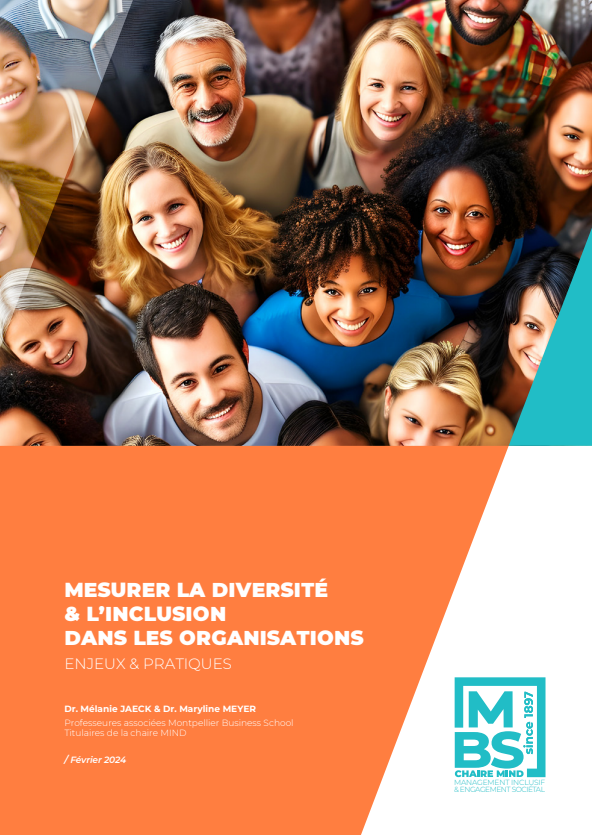
Jaeck, M., Marais, M., & Meyer, M. 2023. Mesurer la diversité et l’inclusion dans les organisations : enjeux et pratiques. Carenews, octobre.  

Jaeck, M., Marais, M., & Meyer, M. 2023. 3 piliers pour rendre les Grandes Ecoles de management inclusives, Carenews. 

Jaeck M., & Meyer M., 2023. “Comment faire de la diversité en entreprise un atout ?” La Lettre M.  

Jaeck M., & Meyer M., 2023. « Recruter sans discriminer » La Lettre M.  

Mukerjee, J., Metiu, A. 2023. Deep play, work engagement, and creative problem solving in a hightech organization. The Academy of Management’s OMT Division Best International Paper Award.  

Jaeck M., & Meyer M. 2022. “Genre et médias : la nécessaire représentativité des femmes” Le Monde des Grandes Ecoles et Universités, novembre 

Jaeck M., Marais M., & Meyer M. 2022. “Les chaires de recherche en sciences de gestion : des leviers d’inspiration et d’impact pour les entreprises” Le journal des Grandes Ecoles, octobre 

Meyer M. & Granata J., 2020. Des leaders humains inclusifs pour mieux manager la crise, Le Monde des Grandes Ecoles, juin.   

Joly C., Jaeck M., Marais M. & Meyer M., 2020. L’entreprise inclusive : faire « société », ensemble, Le Monde des Grandes Ecoles, avril. 

BOOKS / BOOK CHAPTERS

Helwani, A., Loubes, A. & Marais, M. (2026). Chapitre 9. Raison d’être et sens au travail : une promesse paradoxale. In Le sens au travail à l’épreuve des paradoxes (pp. 319-344). EMS Editions. 

Crespo-Febvay, A. V., & Marais, M. (2026). Chapitre 8. Chercher du sens au travail en dehors de son entreprise ? Les paradoxes de la participation de managers à des collectifs interentreprise. In Le sens au travail à l’épreuve des paradoxes (pp. 297-318). EMS Editions. 

Crespo-Febvay, A. V., & Marais, M. (2022). Chapitre 8. Les collectifs interentreprises de dialogue RSE comme espaces de « construction de sens » pour les managers. In Le sens au travail (pp. 226-249). EMS Editions. 

Commeiras, N., Rivière, A., & Bourdil-Resch, M. (2022). Chapitre 7. Sens et santé au travail : vers de nouvelles dynamiques construites par les acteurs ? Le cas de l’hôpital. In Le sens au travail (pp. 203-225). EMS Editions. 

Granata, J., & Jaouen, A. (2021). Management libéré : 7 entreprises dévoilent leurs méthodes : agilité, performance durable et antifragilité. Dunod. 

Bardot, C., Granata, J., Jacquot, J., & Meyer, M. (2021). Chapitre 4. De l’intuition d’un manager au management de la libération de l’unité « HEA libérée » au sein du groupe Thales. In Management libéré (pp. 85-107). Dunod. 

Granata, J., Richard, J. P., & Grialou, P. (2021). Chapitre 1. L’odyssée de la PME ESII « raisonnablement libérée ». In Management libéré (pp. 19-47). Dunod. 

CASE STUDIES

Joly C., Meyer M. & Jaeck M. 2019. L’Oréal : une politique Diversité et Inclusion de toute(s) beauté(s). Centrale des Cas et des Medias Pédagogiques de Paris (CCMP).  

Marais M. & Missonier A. 2019. Intrasense : évolution du Business Model d’une PME pour répondre à l’imagerie médicale du futur. CCMP (Centrale de Cas et de Medias Pedagogiques). 

Téléchargez le rapport d’activité de la Chaire MIND 2526
This field is for validation purposes and should be left unchanged.
Identité(Required)
Téléchargez notre livre blanc : Conscience des biais – la clé pour libérer les potentiels au travail
This field is for validation purposes and should be left unchanged.
Identité(Required)
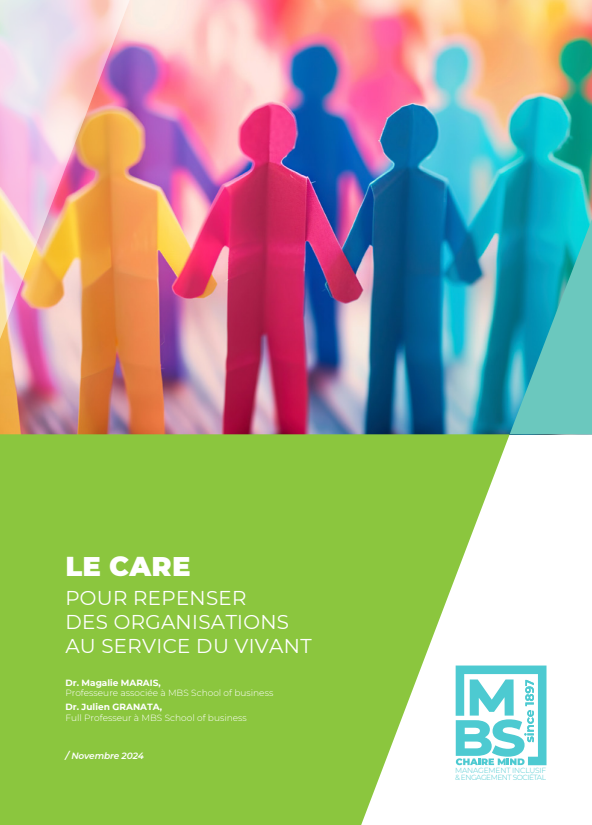
Téléchargez notre livre blanc : Le Care – Pour repenser des organisations au service du vivant
This field is for validation purposes and should be left unchanged.
Identité(Required)
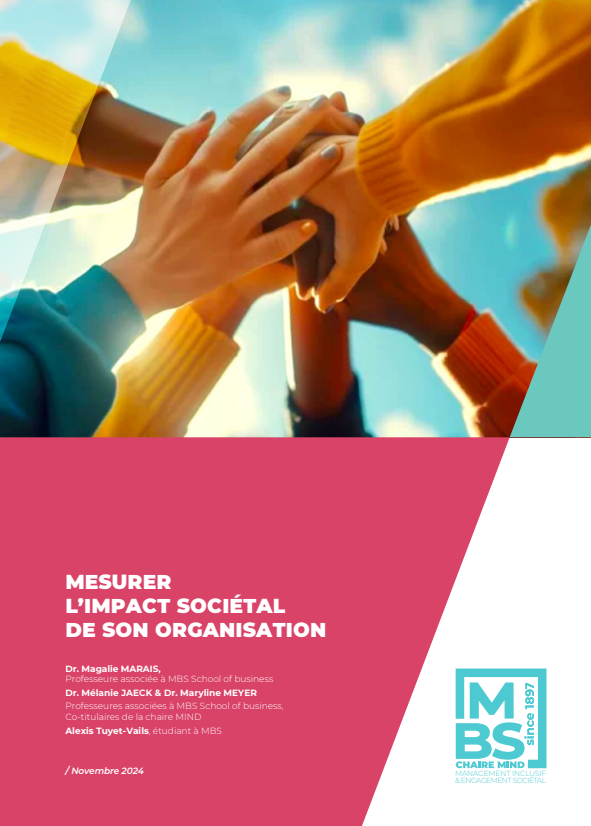
Téléchargez notre livre blanc : Mesurer l’impact sociétal de son organisation
This field is for validation purposes and should be left unchanged.
Identité(Required)
Téléchargez notre livre blanc : Mesurer la diversité et l’inclusion dans les organisations – Enjeux et pratiques
This field is for validation purposes and should be left unchanged.
Identité(Required)
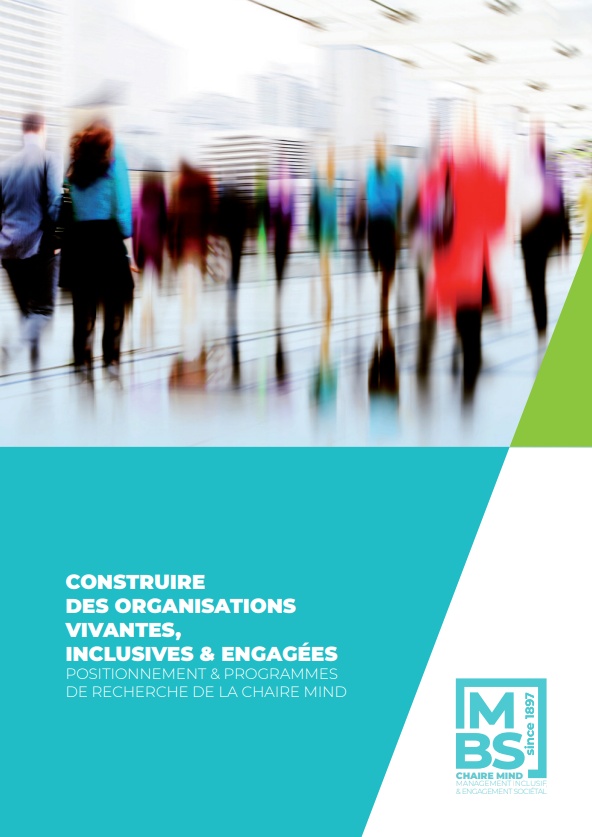
Téléchargez notre livre blanc : Construire des organisations vivantes, inclusives et engagées – Positionnement et programmes de recherche de la Chaire MIND
This field is for validation purposes and should be left unchanged.
Identité(Required)
Contactez-nous
Télécharger notre brochure sur nos MSc en alternance
Télécharger notre brochure Bachelor Rentrée Décalée
This field is for validation purposes and should be left unchanged.
Identité(Required)
Choix du campus
Download our Summer School brochure
Download our Masters of Science brochure
Contact us
This field is for validation purposes and should be left unchanged.
Identity(Required)
Preferred contact method(Required)